A pact, then a spanner: What the US-Saudi Arabia civil nuclear deal actually contains, and why it may not hold
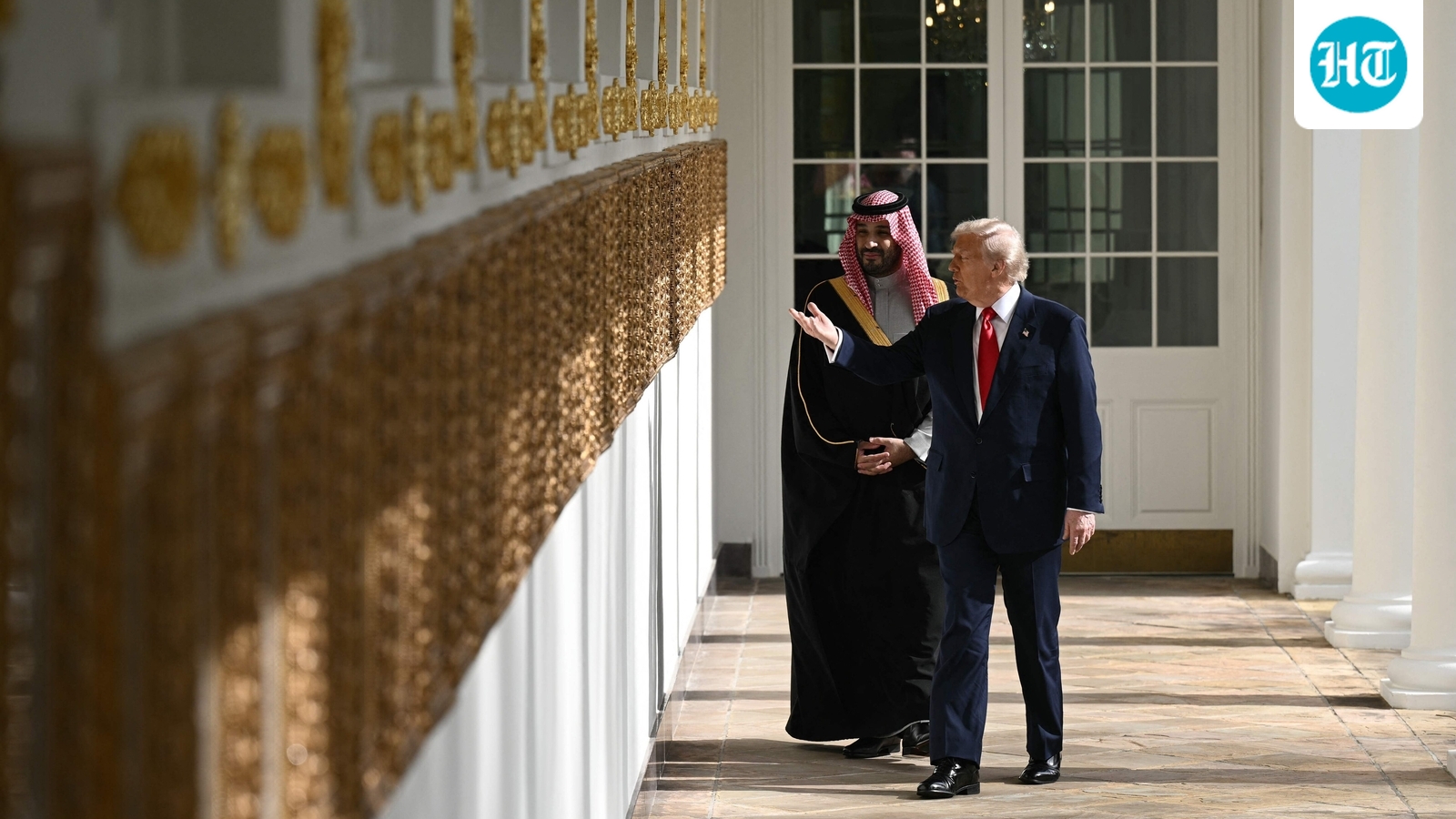
The US-Saudi Arabia civil nuclear cooperation pact allows Saudi Arabia to enrich uranium and reprocess spent nuclear fuel, a departure from similar agreements like the one with the UAE.
The deal was signed by US energy secretary Chris Wright and Saudi energy minister Prince Abdulaziz bin Salman under Section 123 of the US Atomic Energy Act.
A day after signing, US President Donald Trump added a condition that the deal will take effect only if Saudi Arabia joins the Abraham Accords and normalizes ties with Israel.
White House press secretary Karoline Leavitt said if Saudi Arabia does not join the accords, the deal is off; Saudi Arabia has not commented publicly on the condition.
The agreement does not require Saudi Arabia to sign the IAEA's Additional Protocol allowing snap inspections, raising proliferation concerns.




Story angle
Center-left
Mostly straight facts, with a light progressive or opposition-friendly tilt.
About how the story is framed, not whether the facts are true.
Hindustan Times
Center-left
Mixed factuality