OffbeatTimes of India
Pollen evidence used to solve New Zealand murder case
in5points
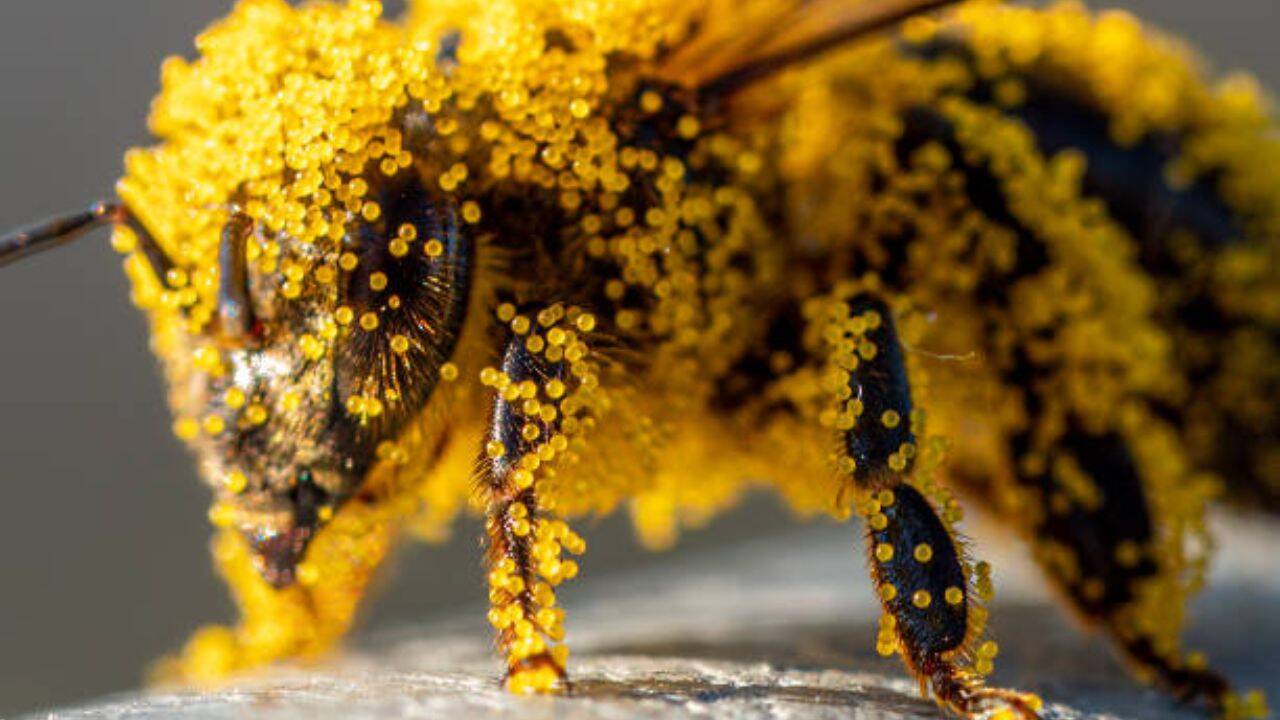
Forensic palynologists like Dallas Mildenhall analyze pollen grains to link suspects to crime scenes.
In 2008, Mellory Manning was murdered in Christchurch, New Zealand; police lacked leads until pollen evidence was used.
Mildenhall discovered mutated pollen grains with two pores on Manning's body, caused by herbicide spraying near a Mongrel Mob hangout.
The unusual pollen linked the victim to the warehouse, leading to Mauha Huataki Fawcett's 2014 conviction.
Pollen's resistance to decomposition makes it a persistent forensic tool for solving complex cases.
likely clickbaitheadline adjusted
5h ago · original ↗