ScienceTimes of India
Before ants began caring for their young, the brain circuits were helping them find food
in5points
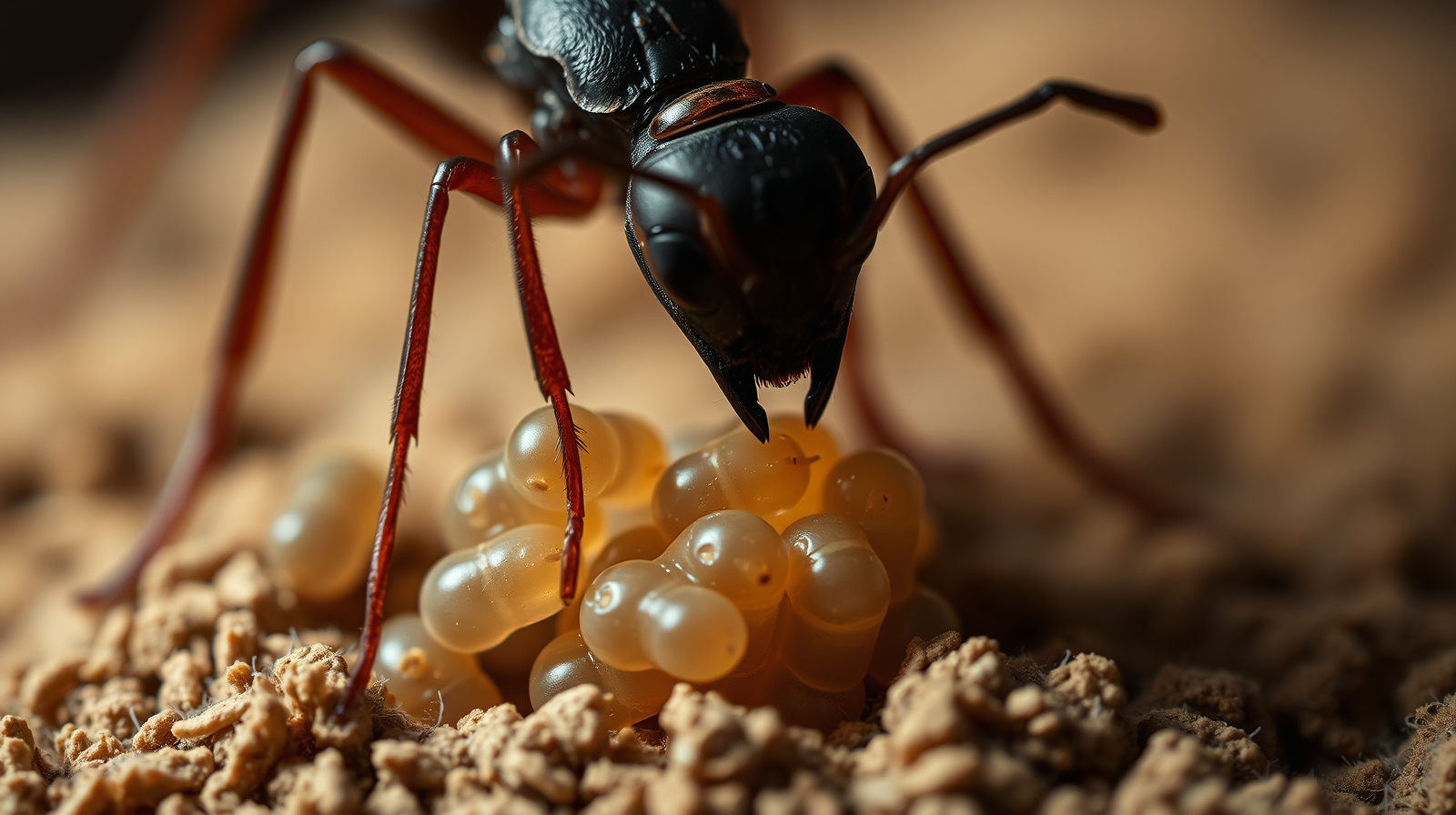
Brain circuits that originally controlled hunger in ants later adapted to control caregiving and foraging.
Scientists at Rockefeller University studied clonal raider ants to identify two brain signals: neuropeptide F (NPF) and allatostatin A (AstA).
NPF increases caregiving behavior toward larvae, while AstA promotes leaving the nest to forage.
Young ants have higher NPF and lower AstA levels, older ants show the reverse, matching their natural shift from nursing to foraging.
The study was published in the journal Nature and offers insight into how nurturing behavior evolved from ancient feeding systems.