Escaped aquarium plant caused California's killer algae
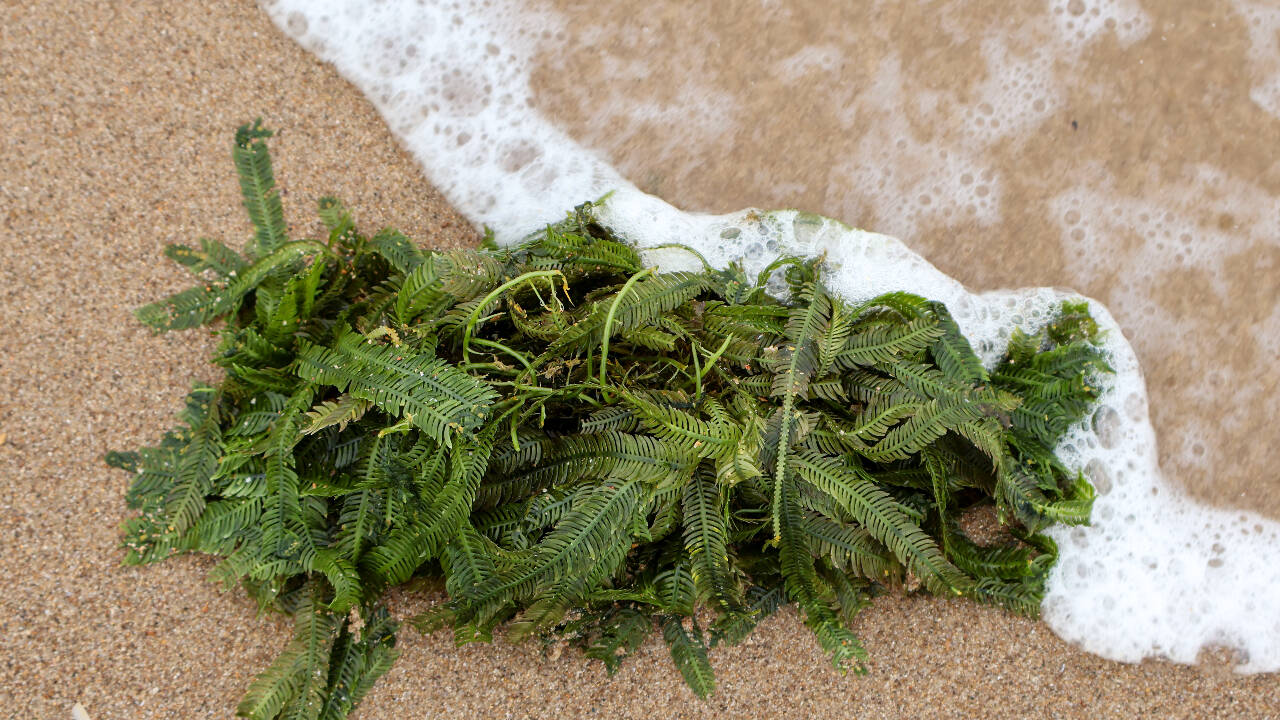
In 2000, Caulerpa taxifolia, an ornamental seaweed, escaped into Southern California coastal waters, likely after an aquarium owner illegally dumped marine plants into a stormwater system.
The invasive strain of Caulerpa taxifolia originated from a cold-tolerant strain bred at Wilhelma Zoo in Stuttgart, Germany, and escaped into the Mediterranean Sea in 1984 from the Oceanographic Museum of Monaco.
The algae reproduces by asexual fragmentation, with fragments as small as one centimeter capable of growing into new plants, spread by ocean currents, boat anchors, fishing gear, and ballast water.
The eradication campaign in California took six years and cost over $7 million, making it a dramatic example of an aquarium species becoming a destructive invasive threat.
Dense meadows of the algae smother native seaweeds, seagrasses, and marine invertebrates by blocking sunlight and releasing toxic compounds called caulerpenyne, reducing biodiversity and disrupting marine ecosystems.