Only three Hawaiian producers meet US's organic honey standards; study suggests rule review
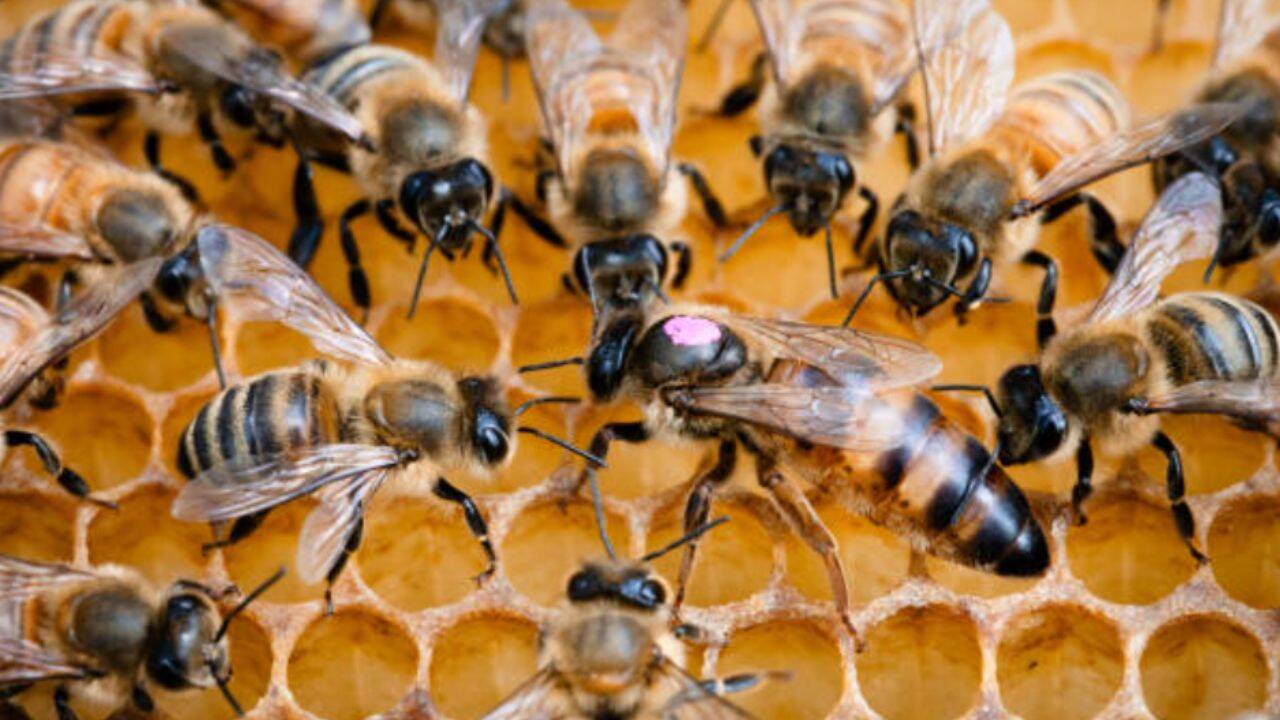
A Cornell University study published in Science of the Total Environment found organic-managed bee colonies on farms in the northeastern US produce honey with pesticide levels comparable to certified organic honey.
Current USDA organic certification requires a 6.4-kilometre buffer zone of organic or natural land, which is nearly impossible for most continental US beekeepers to meet, so only three Hawaii producers qualify.
The researchers tracked bee foraging and found a median travel distance of about 750 metres, far less than the 6.4-kilometre buffer, suggesting the rule may be too strict.
Lead author Scott McArt notes consumers pay 20% to 30% more for certified organic honey, and easing rules could open a large market for struggling US beekeepers.
The study suggests a rule review but cautions that more studies across different regions are needed before national policy changes.