PoliticsHindustan Times
How fasting became a weapon of India’s freedom struggle
in5points
Babu Harendranath Munshi died on hunger strike inside Dhaka Jail, sparking public grief and political indignation in India.
Munshi was an accused in the Titagarh Conspiracy Case, a sedition trial involving explosives and revolutionary materials seized near Calcutta.
He began his hunger strike on January 21, 1938, joining Prafulla Sen to protest the treatment of political prisoners and their classification as common criminals.
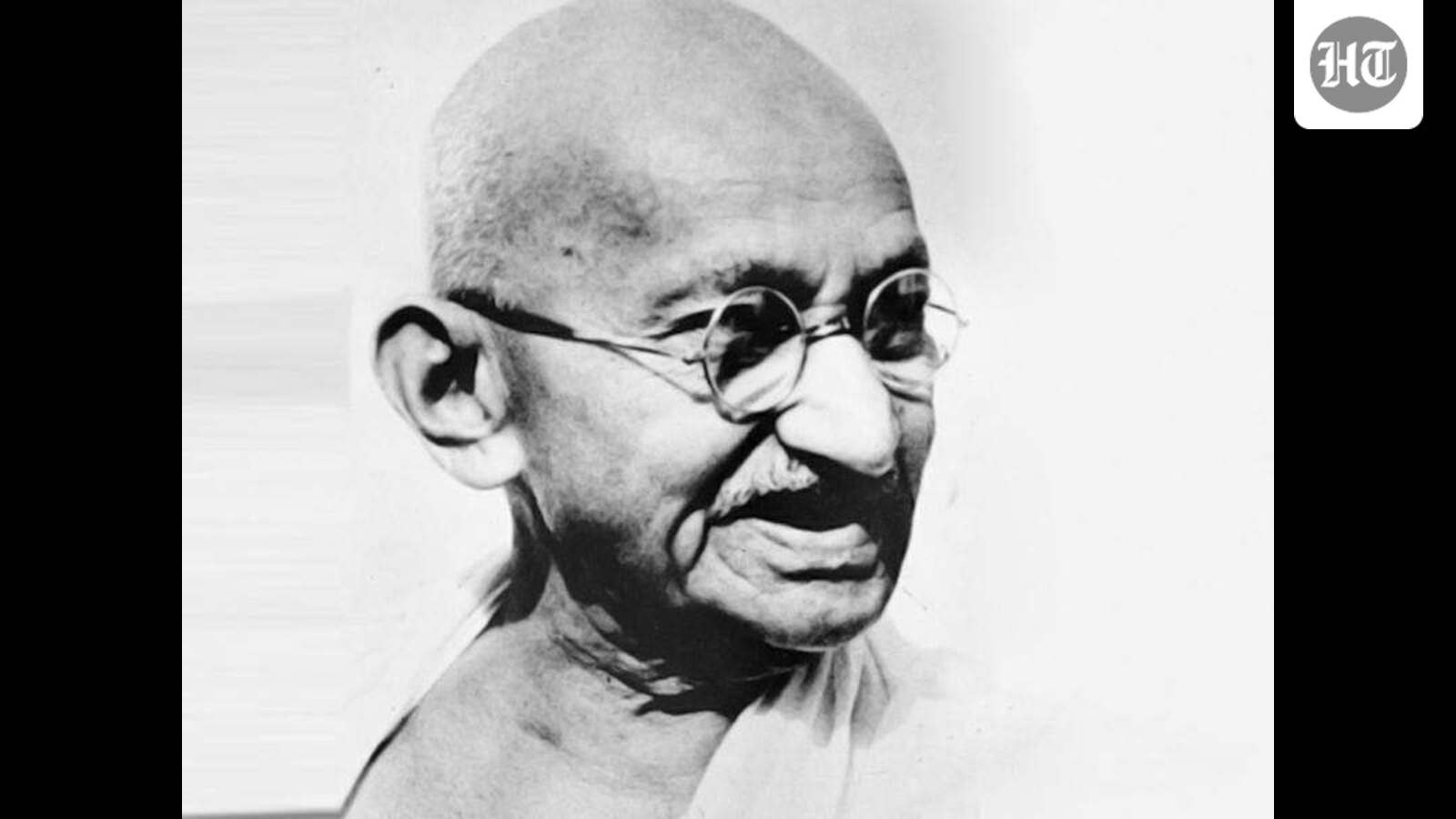
In Pune, Govind Vaman Puranik and his wife joined the hunger strike on water only, drawing on Mahatma Gandhi's tradition of fasting as Satyagraha.