OffbeatTimes of India
How ancient humans made their beds: 200,000-year-old grass reveals a prehistoric cleaning routine
in5points
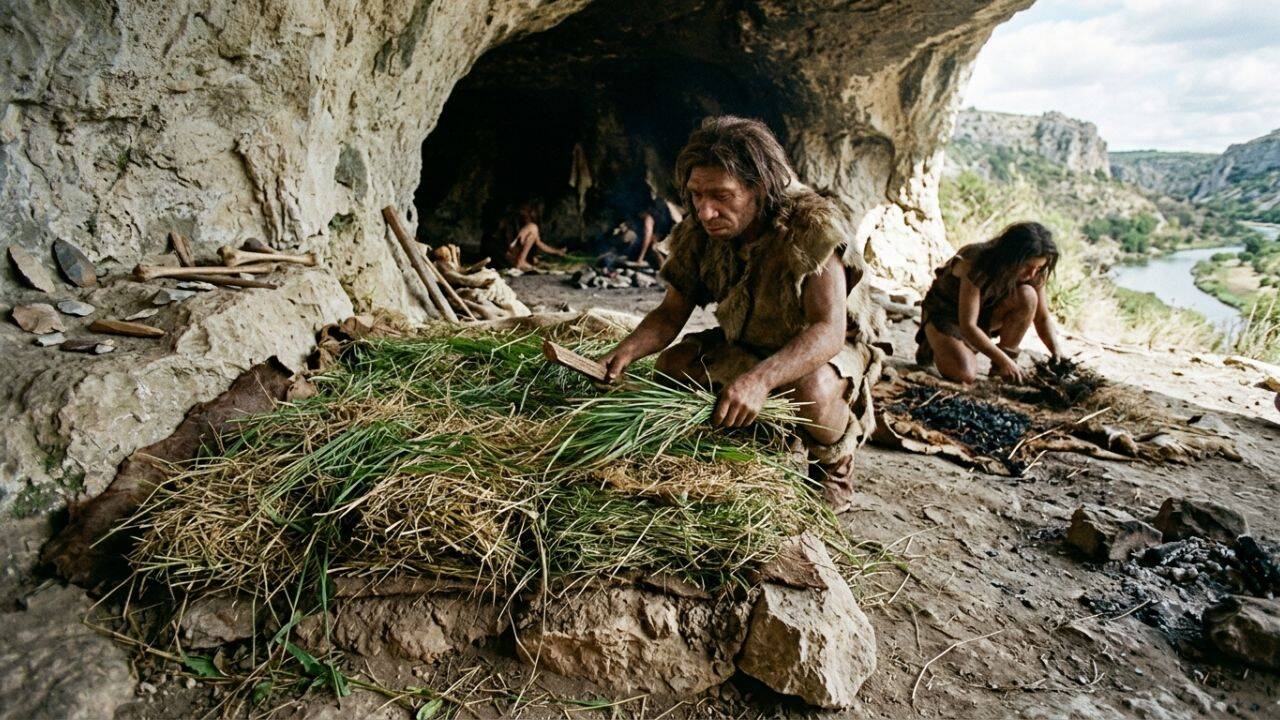
Traces of 200,000-year-old grass bedding found in Border Cave, South Africa, show early humans deliberately arranged plant materials for sleeping areas.
Hunter-gatherers used fire to maintain and refresh their bedding, clearing old layers before creating new ones.
The bedding was largely made from grasses of the Panicoideae group, including species related to maize and millet, and sometimes sedges.
Border Cave was occupied repeatedly between roughly 220,000 and 43,000 years ago, preserving tools, food remains, and organized living spaces.
The study published in Journal of Archaeological Science provides evidence of meticulous environmental management by prehistoric communities much earlier than previously thought.