LocalHindustan Times
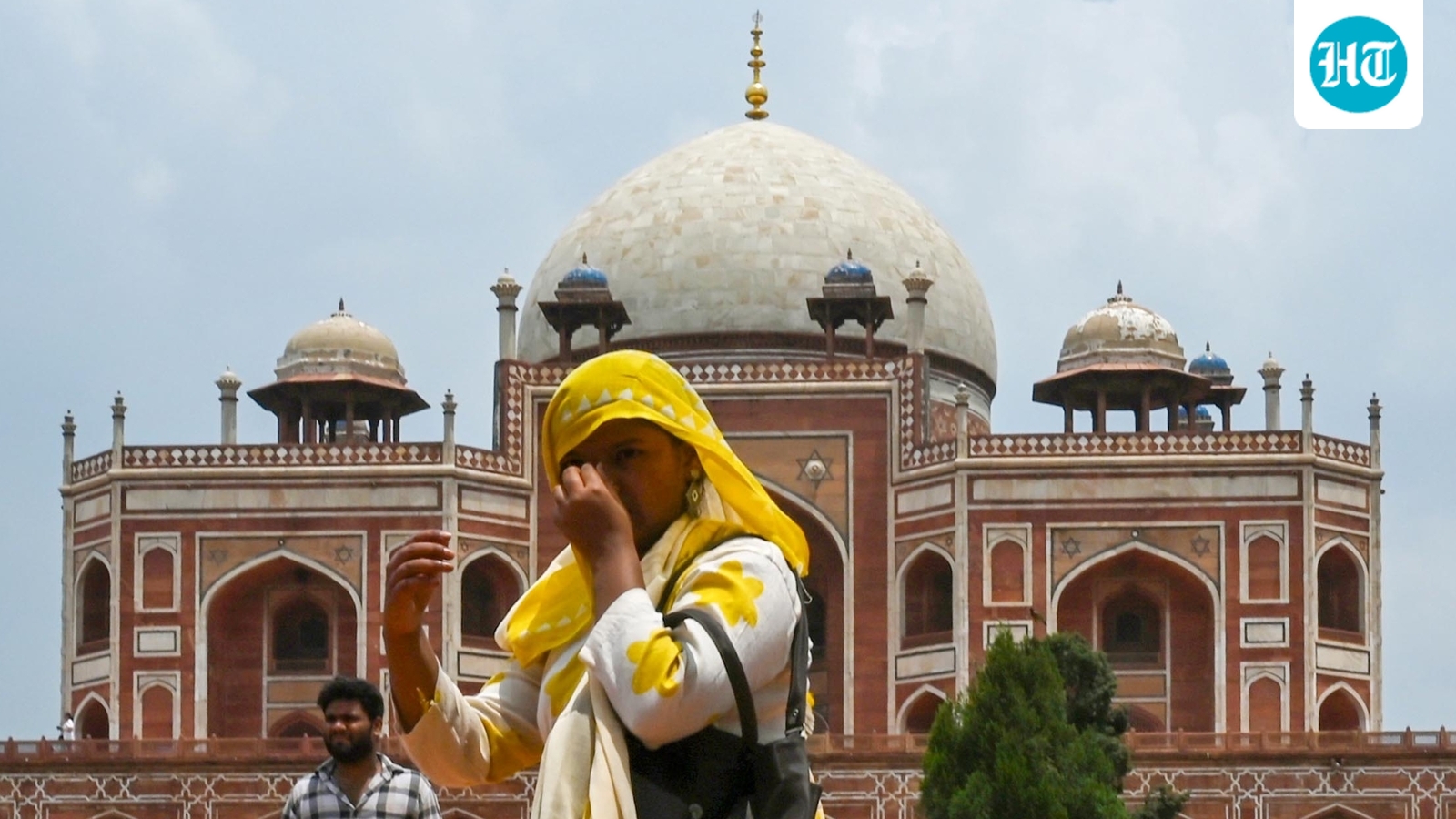
A black crust is decaying Humayun's Tomb in Delhi. How the air is to blame, and what can be done
in5points
A study by IIT Roorkee and IIT Kanpur published in the International Journal of Architectural Heritage found that black crust on Humayun's Tomb is caused by Delhi's polluted air.
The crust is mainly gypsum, formed when sulphur dioxide reacts with calcium-rich dust and moisture, trapping soot and metal particles.
The crust accelerates decay of the tomb's red sandstone, making it more vulnerable to weathering.
Thickest crust forms in rain-sheltered parts; exposed areas have thinner deposits due to natural washing.
Researchers recommend regular maintenance, protective coatings, and monitoring to address the issue.