The story so far
Trump Generic Drug Tariffs
Tracked across 7 sources · Updated 4h ago
President Trump announced a phased tariff plan for imported generic drugs: 0% for two years starting August 1, 2026, then 100% in 2028 and 200% thereafter, aiming to boost domestic production. Indian pharma stocks fell on the news.
How it unfolded
10h ago
Indian pharma stocks fall on tariff announcement
1d ago
Details emerge: 0% for two years, then 100-200% tariffs
1d ago
Trump announces 100% tariff on generic drugs from 2028
What happened earlier
Latest updates
Latest
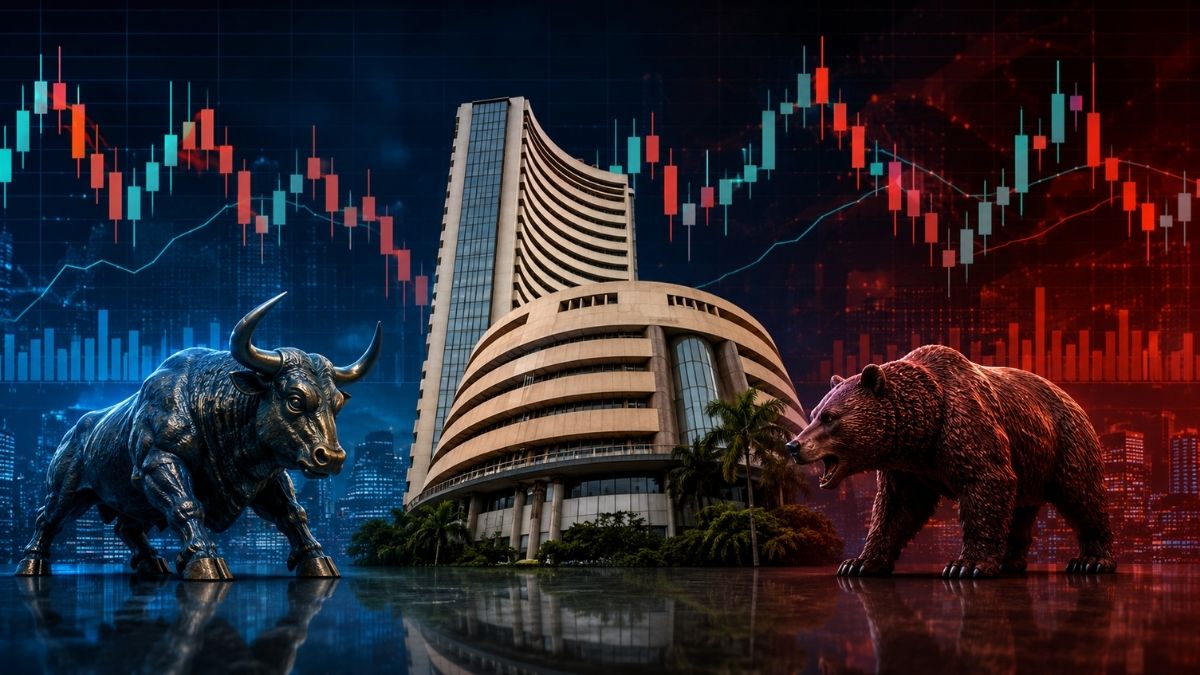
Full story →Stocks making the biggest moves midday: Bajaj Auto, TVS Motor, Bandhan Bank, MTAR Tech, Nestle and more
Donald Trump proposed a 200% tariff on generic drug imports, affecting pharma exporters.
Bandhan Bank faced severe selling pressure at midday.
Nestle India shares rose significantly due to strong Q1 corporate earnings.
TVS Motor and Bajaj Auto shares gained sharply on robust quarterly results.
MTAR Tech also saw notable stock movement amid the market action.




Earlier · 11h ago
Full story →Trump Says Imported Generic Drugs To Face 100% Tariff From August 2028
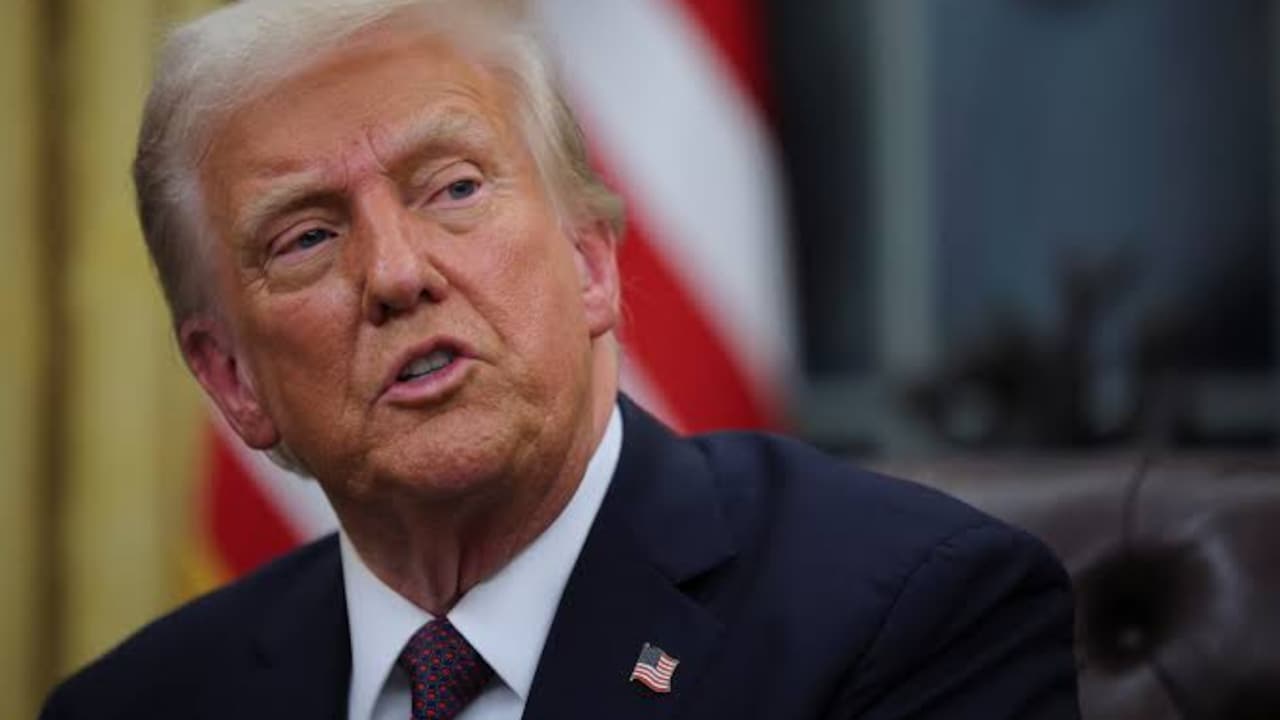
US President Donald Trump announced 100% tariffs on imported generic drugs starting August 2028.
The move aims to bring pharmaceutical production back to the US.
The tariffs specifically target generic drugs, not branded or patented medications.
Earlier · 8h ago
Full story →Trump Announces 0% US Tariff on Generic Drugs For Two Years, Then 100% And 200% Tariffs Later
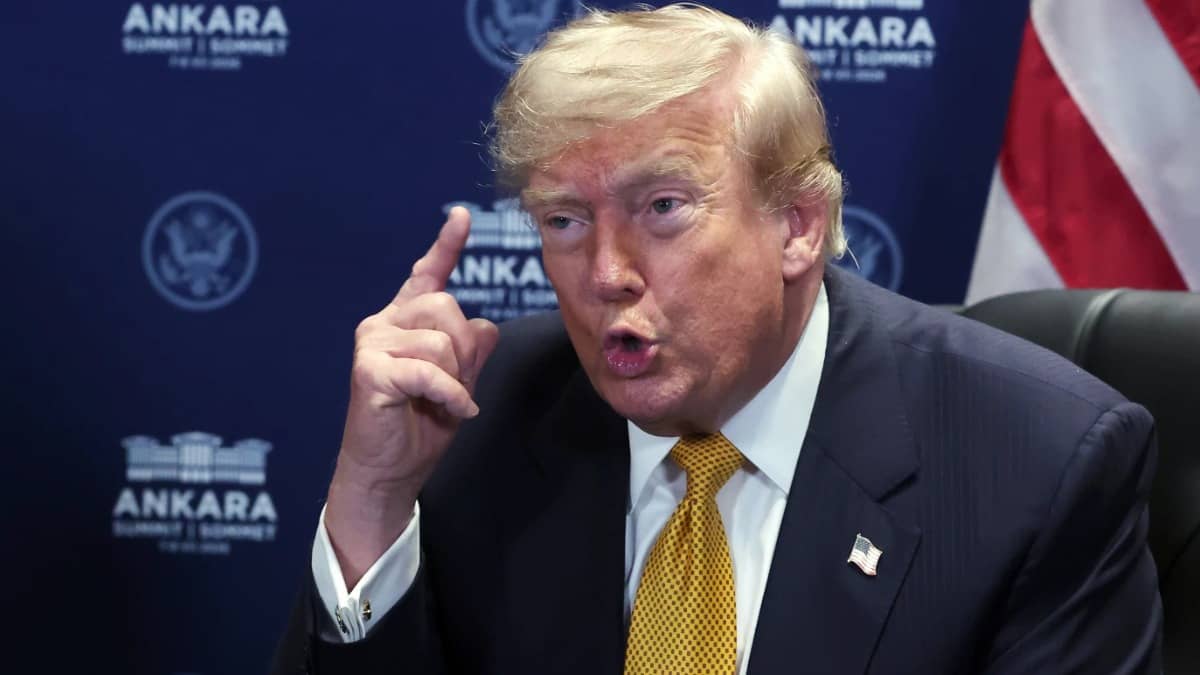
President Trump proposes 0% tariff on generic drugs for two years, then 100% and 200% tariffs thereafter.
The policy aims to incentivize pharmaceutical manufacturing to relocate to the United States.
India, a major exporter of generic medicines, would be significantly affected by the tariff changes.

Earlier · 5h ago
Full story →Indian pharma stocks tumble on Trump's generic drug tariff plan
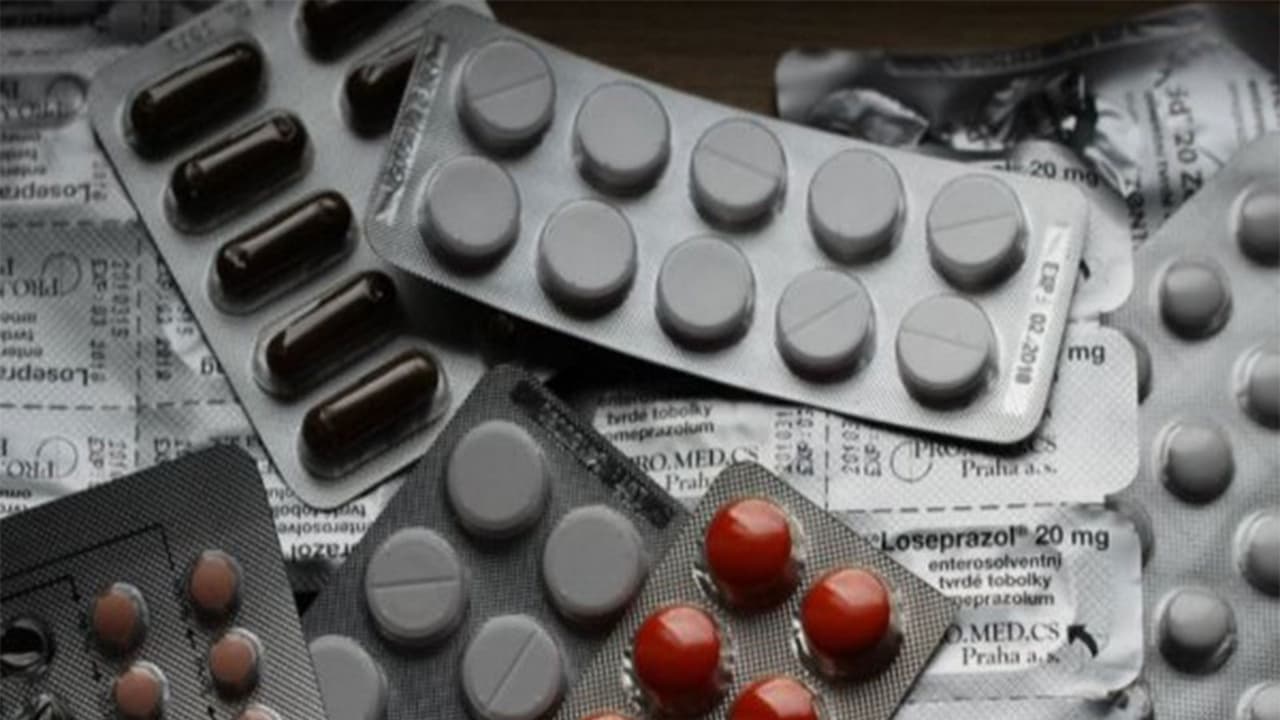
Indian pharma stocks fell after Trump announced phased tariffs on generic drugs.
Expert analysis suggests minimal impact due to India's manufacturing cost advantage.
US subsidiaries of Indian firms and regulatory hurdles for shifting production mitigate effects.
The tariff plan targets reducing reliance on foreign drug manufacturing.