The story so far
Jensen Huang Chinese AI Stance
Tracked across 3 sources · Updated 5h ago
Nvidia CEO Jensen Huang advocates for US companies to use Chinese open-source AI models, challenging sanctions warnings. He argues open models benefit innovation and that bans, not Chinese AI, are the real threat. Huang and others urge policymakers to target IP theft directly.
How it unfolded
1d ago
Silicon Valley divided over Chinese AI debate
3d ago
Huang posts debut X message defending open AI
5d ago
Huang says US should embrace Chinese AI models
What happened earlier
Latest updates
Latest
Full story →Why Silicon Valley is divided over Chinese AI: The battle over open vs closed AI

OpenAI and Anthropic argue advanced AI models should remain closed due to safety and security risks.
Microsoft, Nvidia, Meta, IBM, and Palantir support open-source AI, calling it essential for improvement and security.
Microsoft CEO Satya Nadella and others signed an industry letter backing open-source AI.
Chinese start-ups Z.ai and Moonshot AI released models rivaling Anthropic's, increasing US concerns.
Treasury Secretary Scott Bessent and science adviser Michael Kratsios are involved in discussions on protecting American AI technology.



Earlier · 5d ago
Full story →Why Nvidia's Jensen Huang wants the US to embrace, not ban, China's AI models
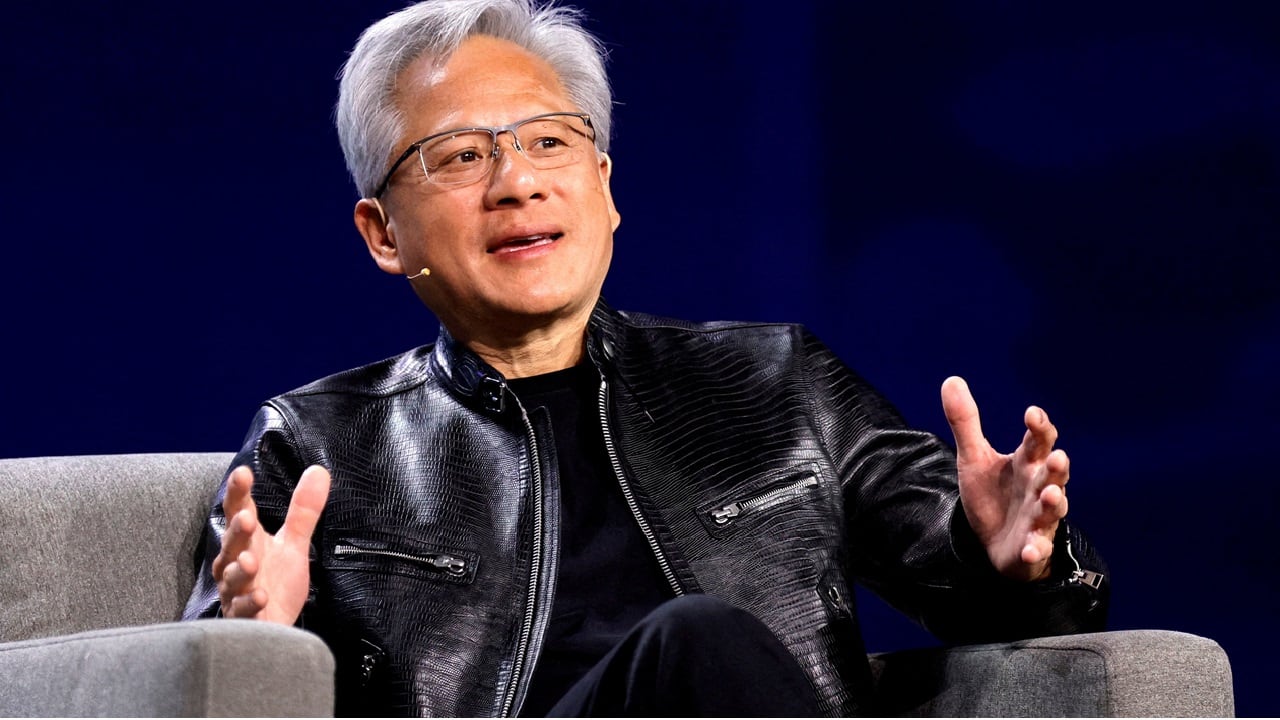
Nvidia CEO Jensen Huang argued that Wall Street underestimated the impact of low-cost open AI models from China.
Huang advocated for the US to embrace rather than ban Chinese AI models.
He emphasized that open models can drive innovation and broader adoption across industries.
The statement reflects Nvidia's interest in a global AI ecosystem that includes Chinese contributions.
Earlier · 2d ago
Full story →Nvidia CEO Jensen Huang's Debut X Post Takes On Washington's Chinese AI Fears – Why ‘The World Needs Both’ Open And Closed AI
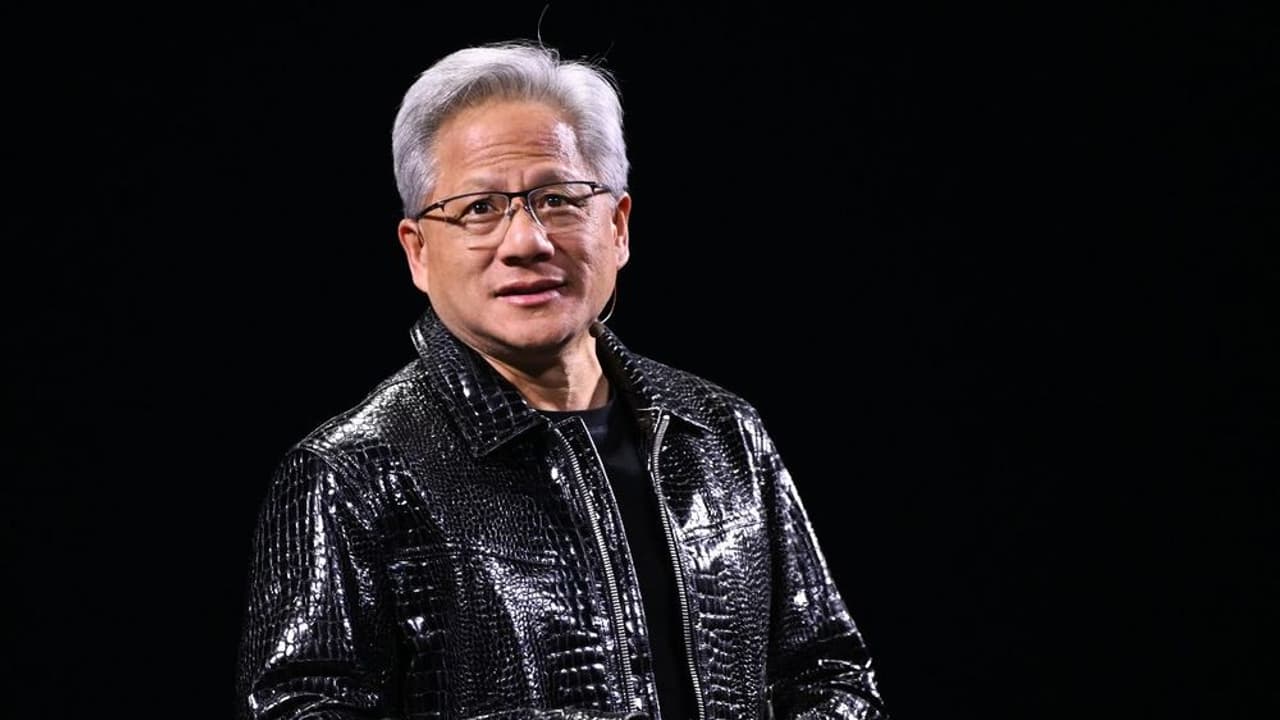
Nvidia CEO Jensen Huang posted on X for the first time, addressing US fears about Chinese AI.
Huang argued that the world needs both open and closed AI approaches.
Signatories defended AI distillation as a legitimate technique, not theft.
They urged policymakers to target intellectual property theft directly rather than restrict open-weight AI.