The story so far
Hungary Nuclear Shutdown
Tracked across 3 sources · Updated 4h ago
Hungary announced the shutdown of its only nuclear power plant due to record-low Danube River levels, disrupting reactor cooling. This unprecedented closure, the first in 44 years, worsens power shortages during a heatwave, highlighting water-related vulnerabilities in nuclear energy.
How it unfolded
20h ago
Nuclear plant closes for first time in 44 years
20h ago
Hungary to shut down nuclear plant over low Danube
What happened earlier
Latest updates
Latest
Full story →Hungary PM flags 'critical' days ahead with looming nuclear shutdown

Hungary's 2-gigawatt Paks nuclear power plant, which generates about half of the country's electricity, is running at just over 10% capacity after the Danube River fell to a record low.
Prime Minister Peter Magyar said the plant will stop generating on Monday, as the Danube is projected to drop further, and warned it could remain idle for weeks.
The shutdown is the first in over four decades for the plant, which uses river water as coolant and runs four Russian-built reactors.
Voluntary power usage cuts by households and over 300 companies, including MOL, Samsung SDI, Audi, and Denso, reduced demand by 400 MW, easing grid pressure.
The crisis may cost Hungary 100 billion to 200 billion forints due to higher electricity import prices, according to Mark Radnai of the Tisza party.




Earlier · 3d ago
Full story →India’s 100 GW nuclear push has a water question: The Danube river showed why

India aims for 100 GW nuclear power by 2047, but low Danube River levels have disrupted nuclear, hydropower, and coal-plant cooling in Europe, highlighting water risks for India's nuclear expansion.
The Danube's record low water levels affected nuclear power generation and fuel shipments, demonstrating a concrete example of water scarcity impacts on energy infrastructure.
Water availability is a critical factor for India's nuclear expansion, as the Danube crisis shows how droughts can impair cooling systems and fuel transport, which are essential for nuclear plants.
India's nuclear expansion plans must account for water stress, given the Danube's experience where low water levels hindered power output and logistics, offering a warning for regions with water variability.
Earlier · 16h ago
Full story →Hungary to shut down its only nuclear power plant amid record-low water levels

Hungary will shut down the Paks Nuclear Power Plant due to record-low Danube River water levels reducing cooling water.
The shutdown, announced by Prime Minister Peter Magyar, occurs on Sunday and is the plant's first full shutdown in 44 years.
Paks supplies nearly half of Hungary's electricity, making the shutdown a significant energy event.
Earlier · 4h ago
Full story →Hungary shut its only nuclear plant for the first time in 44 years
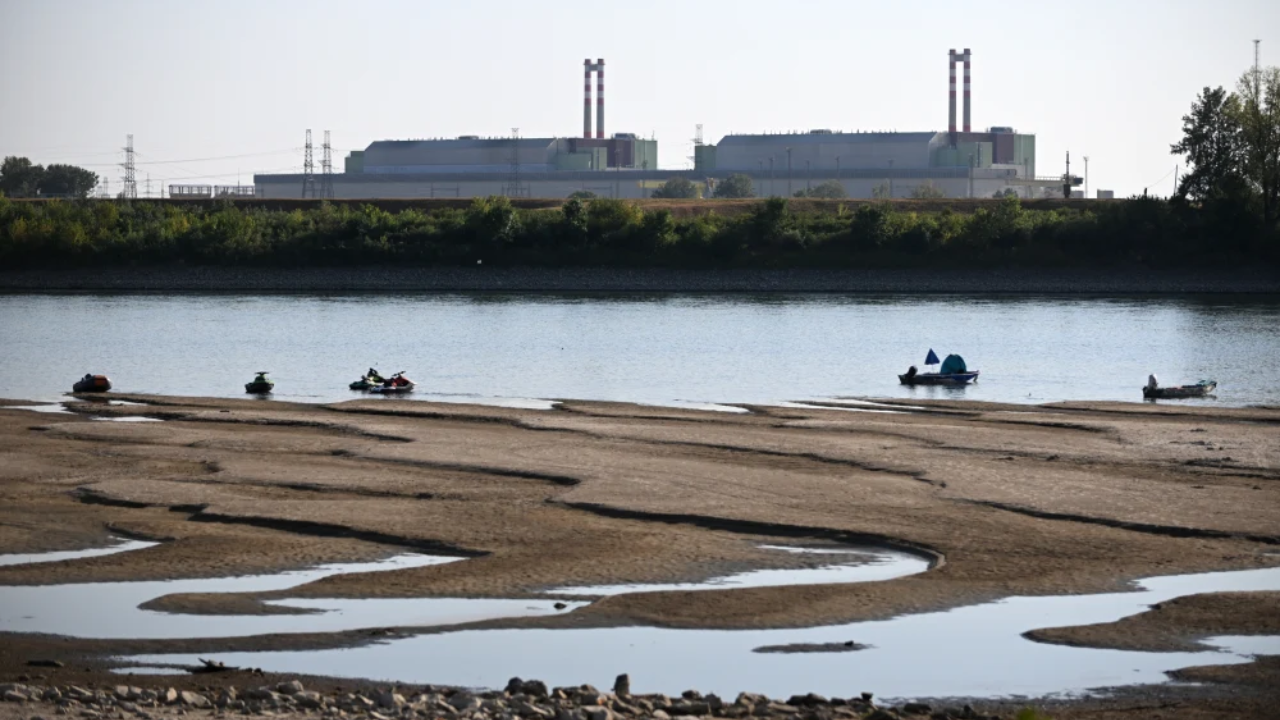
Hungary shut its only nuclear plant, Paks Nuclear Power Plant, for the first time in 44 years due to record-low Danube River levels preventing reactor cooling.
The shutdown affects nearly half of Hungary's electricity supply, as Paks produces about 2 gigawatts, and occurs during a heatwave with temperatures up to 40°C.
Prime Minister Peter Magyar said the plant could stay offline for weeks without significant rainfall, and the shutdown poses no safety risks but stresses the power grid.
To reduce grid pressure, the government urges households, businesses, and public institutions to cut electricity use during peak hours (5 p.m.–10 p.m.), and MOL agreed to cut daily use by 65 megawatt-hours.
Government data shows drought also disrupted river transport, hurt tourism, and forced over 100 towns and cities to introduce water-use restrictions.